Shadow Fleet

Marine vessels involved in the transportation of sanctioned oil
Total number:
1488
Marine vessels
545
Masters
Updated: 10.10.2026
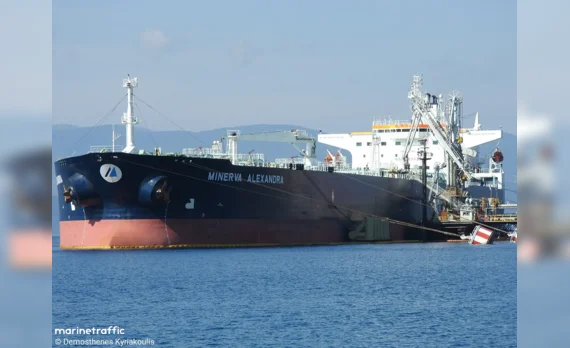
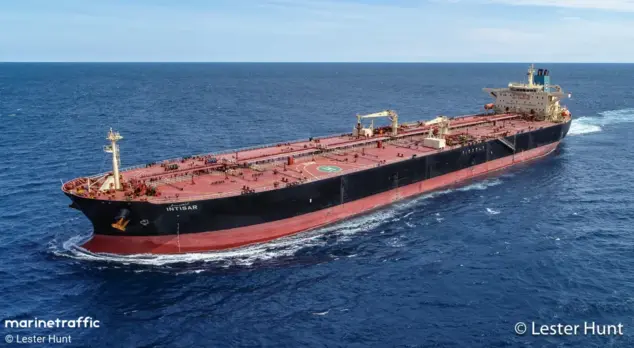
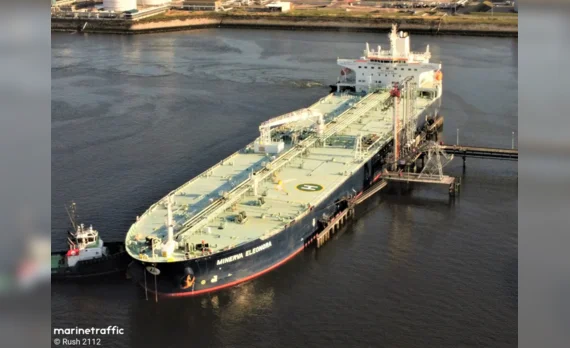
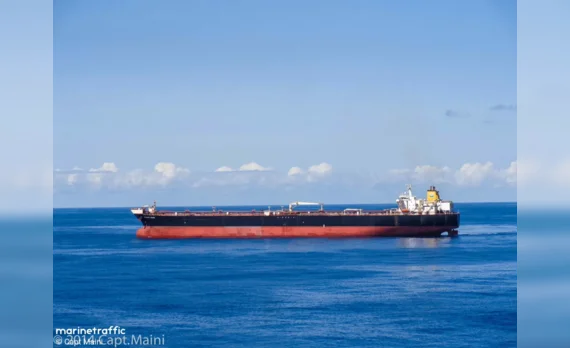
The shadow tanker fleet transports growing volumes of sanctioned oil around the world, generates billions of dollars in revenue for russia and Iran, threatens environmental safety in the oceans, serves as a spy platform, and is used for sabotage activities in the interests of the aggressor.
The sanctioned countries are looking for new markets for oil, building up their tanker fleet to circumvent restrictions, and shipping crude oil mainly to China and India.
The shadow tanker fleet with a total deadweight of more than 100 million tons (approximately 17% of the world`s oil tanker fleet) consists of more than a thousand mostly outdated, poorly maintained vessels without proper insurance, with ‘confusing’ ownership and management structures located in ‘friendly’ jurisdictions, under ‘convenient’ flags. Such vessels resort to deceptive tactics at sea to conceal the origin of their cargo, threaten ‘environmental chaos’ and billions of dollars in losses to coastal countries by passing through busy, narrow international transportation routes without pilotage. Since the beginning of russia`s full-scale invasion of Ukraine, shadow tankers have already been involved in more than 50 incidents from the Danish Straits to Malaysia.


Category
Sanctions
 
 
DWT: 91 022 тис.тоннTotal: 896
ION
Vessel name
ION
IMO
9183271
Flag (Current)
Saint Kitts and Nevis Saint Kitts and Nevis
Vessel Type
Crude Oil Tanker
Category
Transportation of fossil fuels in violation of sanctions and other restrictions
icon arrow-tree Transporting russian crude oil / petroleum products
The tanker is involved in transporting Iranian crude oil, exporting russian crude oil from russian ports in the Baltic Sea and the Pacific region to third countries, and engaging in deceptive, high-risk shipping practices (AIS manipulation/spoofing).
The international non-governmental organization Greenpeace classifies the tanker as part of a shadow fleet of tankers that transport russian oil around the world via the Baltic Sea and the Kadetsky Channel area in the Bay of Mecklenburg, posing a threat to the surrounding environment.
The tanker resorted to manipulating its AIS signal while loading crude oil from Sirri Island (Iran) in August 2021, as well as falsifying its MMSI, posing as another vessel, while unloading Iranian oil in Banyas (Syria) in September 2021. In particular, during the unloading of Iranian oil in Banyas (Syria) in September 2021, according to AIS data, the vessel was anchored west of the Cypriot STS transfer zone, while simultaneously sending AIS messages from Spain.
Since russia's full-scale invasion of Ukraine in February 2022, more than 100 vessels that previously helped Iran export oil are now helping russia transport russian crude oil and petroleum products.
Many tankers involved in transporting Iranian oil to countries such as China are also involved in Venezuelan trade, including tanker IMO 9183271. On June 11, 2022, Venezuelan leader Nicolás Maduro and former Iranian President Ebrahim Raisi signed a 20-year cooperation agreement to expand ties in the oil and petrochemical industries, as well as in the military and economic spheres. Since then, bilateral ties have begun to develop. Most cargo is transported by ships belonging to the sanctioned National Iranian Tanker Company (NITC) in both directions. A significant number of ships flying under foreign (non-Iranian) flags are also involved in this trade.
On February 12, 2026, Ukraine imposed sanctions on the vessel.
View profile
To top