Shadow Fleet

Marine vessels involved in the transportation of sanctioned oil
Total number:
1488
Marine vessels
545
Masters
Updated: 10.10.2026
The shadow tanker fleet transports growing volumes of sanctioned oil around the world, generates billions of dollars in revenue for russia and Iran, threatens environmental safety in the oceans, serves as a spy platform, and is used for sabotage activities in the interests of the aggressor.
The sanctioned countries are looking for new markets for oil, building up their tanker fleet to circumvent restrictions, and shipping crude oil mainly to China and India.
The shadow tanker fleet with a total deadweight of more than 100 million tons (approximately 17% of the world`s oil tanker fleet) consists of more than a thousand mostly outdated, poorly maintained vessels without proper insurance, with ‘confusing’ ownership and management structures located in ‘friendly’ jurisdictions, under ‘convenient’ flags. Such vessels resort to deceptive tactics at sea to conceal the origin of their cargo, threaten ‘environmental chaos’ and billions of dollars in losses to coastal countries by passing through busy, narrow international transportation routes without pilotage. Since the beginning of russia`s full-scale invasion of Ukraine, shadow tankers have already been involved in more than 50 incidents from the Danish Straits to Malaysia.


Category
Sanctions
 
 
DWT: 91 022 тис.тоннTotal: 896
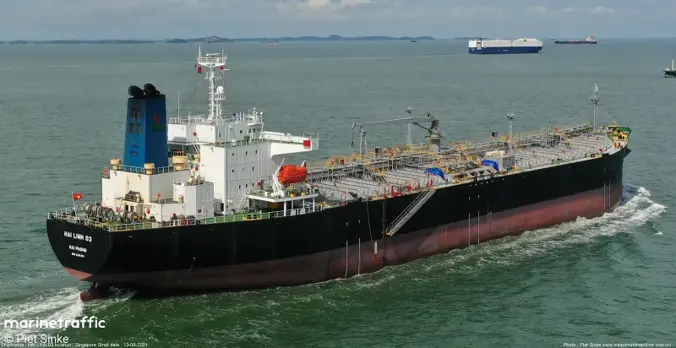
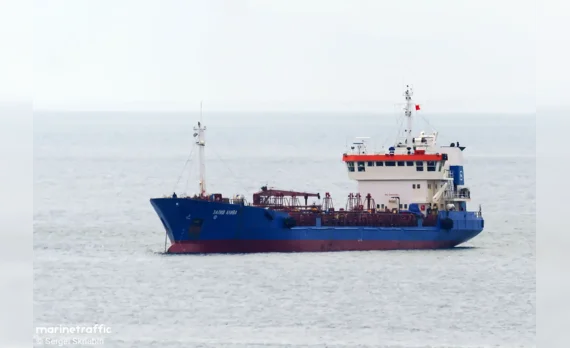
ZALIV ANIVA
Vessel name
ZALIV ANIVA
IMO
8802806
Flag (Current)
russian federation russian federation
Vessel Type
Chemical Tanker
Category
Transportation of fossil fuels in violation of sanctions and other restrictions
icon arrow-tree Transporting russian crude oil / petroleum products
During the period of the oil embargo and the G7+ countries’ price cap policy on russian crude oil and petroleum products, the tanker was involved in the export of russian petroleum products from russian ports in the Pacific region to South Korea.
The tanker was also involved in supplying petroleum products to russia during the fuel crisis. Specifically, in August 2026, the tanker, under the command of master Vasily Alekseevich Novikov (russian citizen), delivered nearly 3,000 metric tons of diesel from the port of Kunsan (Gunsan) in South Korea to Vladivostok. The following russian companies were involved in the delivery of this shipment of diesel fuel: Imtrade LLC (TIN 2543013630), Parus LLC (TIN 2537135341), JSC "DNIIMF" (TIN 2536017088), and the foreign company Ivory Management Company Limited.
It is known that Imtrade LLC, within the framework of the russian public procurement system, is a supplier to russian state budgetary institutions—the Federal State Budgetary Scientific Institution "VNIIRO" (TIN 7708245723) and the Federal State Budgetary Institution "Morspasluzhba" (TIN 7707274249)—which, in turn, actively cooperate with the secret divisions of the russian Ministry of Defense responsible for nuclear technical support, the security and operation of the aggressor country’s nuclear arsenal, deep-sea research, reconnaissance of global underwater infrastructure, and the planning of deep-sea sabotage and reconnaissance missions in the interests of the aggressor country.
JSC "DNIIMF," affiliated with the Federal State Agency "russian Maritime Register of Shipping," the russian government, represented by the Ministry of Transport of the russian federation. The main clients of JSC "DNIIMF" are russian government agencies, large transportation and logistics companies, and enterprises in the maritime sector of the aggressor country.
View profile
To top