Marine Vessels

involved in the transportation of weapons, stolen
Ukrainian products and in the circumvention of sanctions
Total number:
1488
Marine vessels
545
Masters
Updated: 10.10.2026
Maritime logistics is critically important for building up the aggressor`s military capabilities, moving troops, obtaining weapons and sanctioned goods, and trading stolen goods. Aggressors transport weapons through international straits on civilian merchant vessels. Exporting fossil fuels to circumvent sanctions is the main source of income for russia and Iran. The shadow tanker fleet and ships without ice class in the Arctic threaten an environmental disaster. Through the sale of agricultural products from the temporarily occupied Ukrainian territories, russia finances the war and maintains the loyalty of its allies, Iran and the DPRK.
Together we can stop this to restore peace and security
Actions to be taken
  • to sanction the vessels on the list below, as well as all related companies and individuals (owners, operators, managers, executives, senior crew members)
  • to prohibit the entry of such vessels into ports, territorial waters, EEZs and international straits, and the sale of spare parts for them
 
  • to increase and ensure compliance with environmental and safety requirements for tankers entering territorial waters, EEZs and international straits
  • to require bank statements to confirm compliance with the price-cap when receiving insurance and other services
View


Total: 1
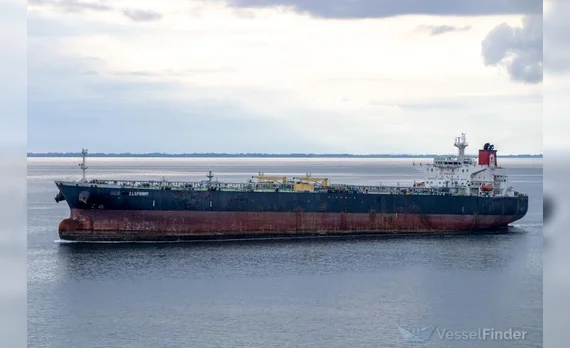
NERO
Vessel name
NERO
IMO
9374868
Flag (Current)
Vietnam Vietnam
Vessel Type
Crude Oil Tanker
Category
Transportation of fossil fuels in violation of sanctions and other restrictions
icon arrow-tree Transporting russian crude oil / petroleum products
The tanker type ‘Aframax’ is involved in the transportation and export of russian oil from russian ports during the period of the oil embargo by the G7 and the EU and the price-cap policy for russian oil.
In February-March 2024, the tanker transported russian oil from the russian port of Novorossiysk in the Black sea to the port of Zhoushan (China).
In May-June 2024, the tanker transported russian oil from the russian port of Ust-Luga in the Baltic Sea to the port of Sikka (India).
In February 2023, the tanker was detained in Ferrol (Spain) under the Paris Memorandum of Understanding on Port State Control after authorities found ‘technical and documentary deficiencies’ during an inspection in the northwestern port of Ferrol. Spain has fined Vietnamese operator Hung Phat Maritime Trading EUR 120 thousand for a ship-to-ship transshipment operation that took place outside the port boundaries but in Spanish territorial waters.
The international NGO Greenpeace refers to the tanker as part of the shadow fleet of tankers that transport russian oil around the world and threaten the environment.
On May 09, 2025, the United Kingdom imposed sanctions on the tanker as part of the restrictions on the shadow fleet of the russian federation, including for engaging in activities aimed at destabilizing Ukraine, undermining/threatening the territorial integrity, sovereignty or independence of Ukraine or benefiting from or supporting the government of russia, and participating in the transportation of crude oil/petroleum products of russian origin, in particular, from russia to a third country.
In June 2025, Canada imposed sanctions on the vessel.
From July 20, 2025, the EU imposed sanctions on a tanker for transporting crude oil/petroleum products that originate in russia or are exported from russia using irregular and high-risk shipping practices as set out in the International Maritime Organization General Assembly resolution A.1192 (33).
On August 12, 2025, Switzerland imposed sanctions on the vessel.
Since September 18, 2025, Australia has imposed sanctions on the vessel.
Since December 13, 2025, Ukraine has imposed sanctions on the vessel.
View profile
To top