Marine Vessels

involved in the transportation of weapons, stolen
Ukrainian products and in the circumvention of sanctions
Total number:
1488
Marine vessels
545
Masters
Updated: 10.10.2026
Maritime logistics is critically important for building up the aggressor`s military capabilities, moving troops, obtaining weapons and sanctioned goods, and trading stolen goods. Aggressors transport weapons through international straits on civilian merchant vessels. Exporting fossil fuels to circumvent sanctions is the main source of income for russia and Iran. The shadow tanker fleet and ships without ice class in the Arctic threaten an environmental disaster. Through the sale of agricultural products from the temporarily occupied Ukrainian territories, russia finances the war and maintains the loyalty of its allies, Iran and the DPRK.
Together we can stop this to restore peace and security
Actions to be taken
  • to sanction the vessels on the list below, as well as all related companies and individuals (owners, operators, managers, executives, senior crew members)
  • to prohibit the entry of such vessels into ports, territorial waters, EEZs and international straits, and the sale of spare parts for them
 
  • to increase and ensure compliance with environmental and safety requirements for tankers entering territorial waters, EEZs and international straits
  • to require bank statements to confirm compliance with the price-cap when receiving insurance and other services
View


Total: 1
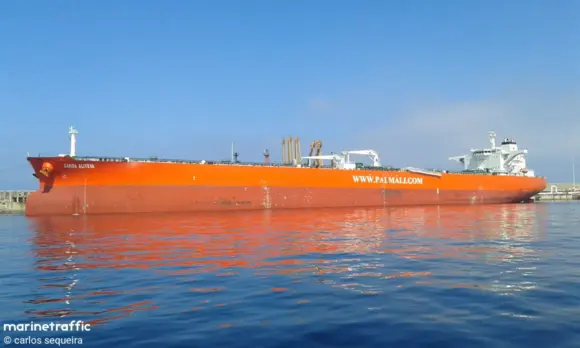
KOALA
Vessel name
KOALA
IMO
9234642
Flag (Current)
unknown
Vessel Type
Crude Oil Tanker
Category
Transportation of fossil fuels in violation of sanctions and other restrictions
icon arrow-tree Transporting russian crude oil / petroleum products
During the G7 and EU oil embargo and price cap policy on russian crude oil/petroleum products, the tanker is involved in the export of russian crude oil/petroleum products and is actively engaged in shady activities in the Kerch Strait area.
The international non-governmental organization Greenpeace classifies the tanker as part of a shadow fleet of tankers that transport russian oil around the world and threaten the environment. The tanker is linked to an incident that threatens environmental safety in the Gulf of Finland and poses significant risks to coastal countries. In February 2025, explosions occurred in the engine room of the tanker loaded with fuel oil at the port of Ust-Luga. The ship's crew of 24 managed to reach the shore without injury, but as a result of the incident, the ship ran aground with its stern, and the russian Ministry of Emergency Situations set up boom barriers around the ship. The Federal Agency for Maritime and River Transport of russia stated that the tanker's cargo holds were not damaged and there was no leakage of oil products.
The tanker is involved in the transportation of Iranian oil. Since the start of russia's full-scale invasion of Ukraine in February 2022, more than 100 ships that previously helped Iran export oil are now helping russia transport russian crude and petroleum products.
Many tankers involved in transporting Iranian oil to countries such as China are involved in Venezuelan trade, including tanker IMO 9234642. On June 11, 2022, Venezuelan leader Nicolás Maduro and former Iranian President Ebrahim Raisi signed a 20-year cooperation agreement to expand ties in the oil and petrochemical industries, as well as in the military and economic spheres. Since then, bilateral relations have begun to develop. Most cargoes are transported by vessels of the sanctioned National Iranian Tanker Company (NITC) in both directions. A significant number of vessels flying foreign (non-Iranian) flags are also involved in this trade.
The tanker is affiliated with the sanctioned Cypriot company Lagosmarine Limited, which was the tanker's manager. In January 2025, the US imposed sanctions on Lagosmarine Limited for its activities in the russian energy sector and as the technical manager of a tanker that transported crude oil and made several calls at a russian port where the price of oil consistently exceeded the price cap.
Since May 21 and June 3, 2025, the EU and Switzerland have imposed sanctions on tankers transporting crude oil/petroleum products originating in or exported from кussia, using irregular shipping practices with a high degree of risk, as specified in Resolution A.1192(33) of the General Assembly of the International Maritime Organization.
Since December 13, 2025, Ukraine has imposed sanctions on the vessel.
Since March 25, 2026, Canada has imposed sanctions on the vessel.
View profile
To top